
Astronomy Club
Explore the Wonders of the Universe
The Astronomy Club takes students on a journey through space, helping them explore planets, stars, galaxies, and the mysteries of the universe through engaging and interactive learning experiences.
About the Astronomy Club
Exploring Space, Science & Curiosity
The GEMA Astronomy Club is a space for curious minds who are fascinated by the mysteries of the universe and eager to explore the world beyond Earth. Our club introduces students to astronomy through engaging, hands-on learning experiences that combine science, observation, and creativity. Students learn about planets, stars, galaxies, black holes, constellations, eclipses, and other exciting space phenomena while developing scientific thinking and observation skills.\n\nThe club encourages students to ask questions, think critically, and explore the universe through practical activities such as sky observation, telescope sessions, astronomy quizzes, model-making, and interactive projects. Members also participate in workshops, discussions, and competitions that help improve teamwork, research abilities, and confidence.\n\nThrough structured learning and exploration, students gain a deeper understanding of space science and its connection to real-world technology and discovery. Whether someone dreams of becoming a scientist, engineer, researcher, or simply loves space and exploration, the Astronomy Club provides an inspiring environment to learn, discover, and expand imagination beyond the stars.
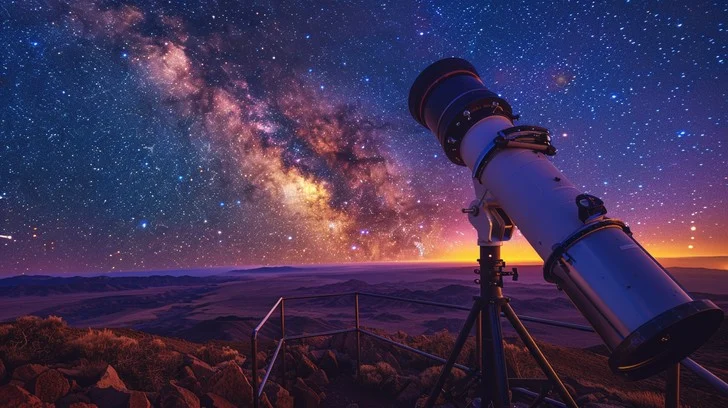
Curiosity & Imagination
Astronomy inspires students to ask questions and explore the mysteries of the universe creatively
Scientific Thinking
Students develop logical reasoning and analytical thinking through observation and exploration.
Space Exploration
Learn about planets, galaxies, stars, black holes, and exciting space discoveries.
Observation Skills
Students learn to observe the night sky, constellations, and celestial movements carefully.
STEM Learning
Astronomy connects science, technology, engineering, and mathematics in practical learning.
Critical Thinking
Students improve problem-solving and reasoning skills through scientific exploration

What Students Learn
Discover the Science Behind the Universe
Understanding the Universe
Students explore fascinating topics such as planets, moons, stars, galaxies, constellations, eclipses, and black holes. This helps them understand how the universe works and how celestial objects interact in space.
Observation & Exploration
Students learn how to observe the night sky, identify constellations, and understand the movement of celestial bodies through practical observation activities and telescope sessions.
Scientific Thinking
Astronomy encourages curiosity, logical reasoning, critical thinking, and analytical skills. Students learn how to ask questions, investigate concepts, and explore scientific ideas creatively.
Key Benefits
PROJECTS / OUTCOMES
Students may create:
- Solar system models
- Star maps and constellations
- Space mission presentations
- Astronomy exhibition projects
SKILLS DEVELOPED
- Observation skills
- Scientific curiosity
- Analytical thinking
- Imagination and creativity
- Interest in space science
WHAT STUDENTS LEARN
- Basics of astronomy and space science
- Solar system and planetary studies
- Stars, galaxies, and constellations
- Space exploration and missions
- Observation techniques
ACTIVITIES
- Night sky observation sessions
- Telescope demonstrations
- Planetarium simulations
- Space quizzes and discussions
- Model-building activities
Competitions & Showcases
Opportunities to Explore, Compete & Shine

Inter-School Competitions
Students showcase astronomy knowledge, scientific thinking, and project skills in collaborative and competitive events.

Astronomy Quizzes
Interactive quizzes help students improve understanding of planets, galaxies, stars, constellations, and space discoveries.

School-Level Activities
Students participate in quizzes, observation activities, and creative astronomy challenges organized within the school environment.

Science Exhibitions
Students create and display astronomy models, presentations, and creative scientific demonstrations during exhibitions.

Global Showcases
Students gain exposure through global STEM activities, astronomy showcases, and international science participation opportunities.
F.A.Q.
Find answers to common questions about our club activities, learning opportunities, workshops, and student participation.
Any student who is interested in space, science, astronomy, and exploration can join the club regardless of prior experience.
No, students do not need personal telescopes. The club provides guided observation activities and learning resources.
Students participate in sky observation sessions, astronomy projects, model-making, quizzes, workshops, and science exhibitions.
Yes, the club is designed for both beginners and students with existing interest in astronomy and STEM learning.
Yes, students get opportunities to participate in school-level, inter-school, and international astronomy-related competitions and showcases.